




ITS Bay Leaves
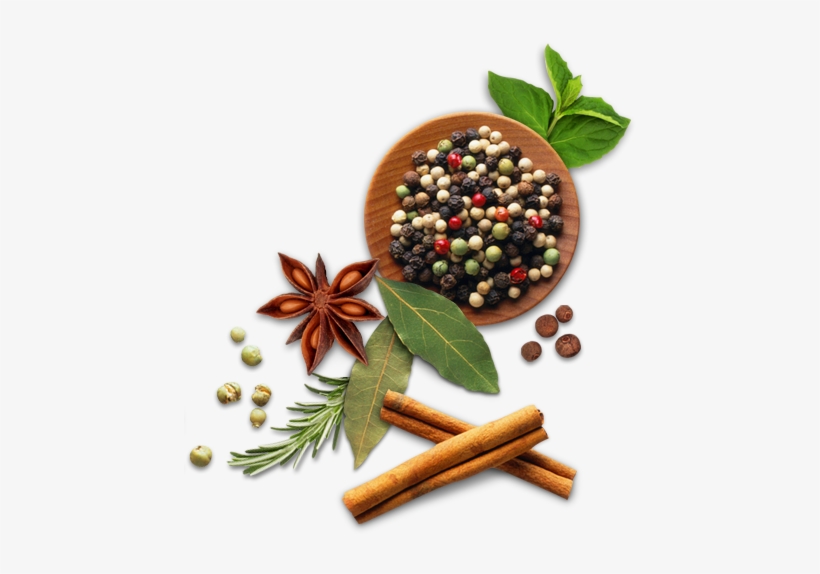
Bay leaves are the aromatic, typically dried leaves of the bay laurel tree (Laurus nobilis), commonly used in cooking to add subtle pine, eucalyptus, and herbal notes to soups, stews, braises, and rice dishes. They are often added whole during simmering and removed before serving because of their tough, leathery texture, which can pose a choking hazard if swallowed.
Key Details About Bay Leaves:
- Culinary Use: Primarily used as a flavor enhancer for slow-cooked, liquid-based dishes, providing a savory depth (sometimes described as a “meaty” or “umami” note). They are a staple in Mediterranean, French, and Brazilian cuisine.
- Types: The most common is the Turkish/Mediterranean bay leaf, which is mild and sweet, while California bay leaves have a more intense, eucalyptus-like flavor.
- Safety: While not poisonous, whole bay leaves do not break down in the digestive system and should not be consumed due to their pointed, fibrous nature.
- Flavor Profile: The leaves are relatively mild in flavor when dry but release essential oils when cooked, including eugenol and pinene.
- Weight 500gram
- Weight 500gram
- Weight 500gram